how it improved its assembly line with Pick to Light
The growing number of manufacturing variants made assembly and operator training harder at CLAAS’s plant. With Pick To Light Systems, the company optimised component supply, improved traceability and increased productivity and assembly quality.
Pick to Light has been the first step towards improving comfort, production quality and traceability on our assembly line.
Nicolas Riobé
Project Manager
Tangible benefits
2 areas
of light-guided assembly
+
traceability of assembled components
-
training time for new operators
>
quality in the assembly process
Who is CLAAS?
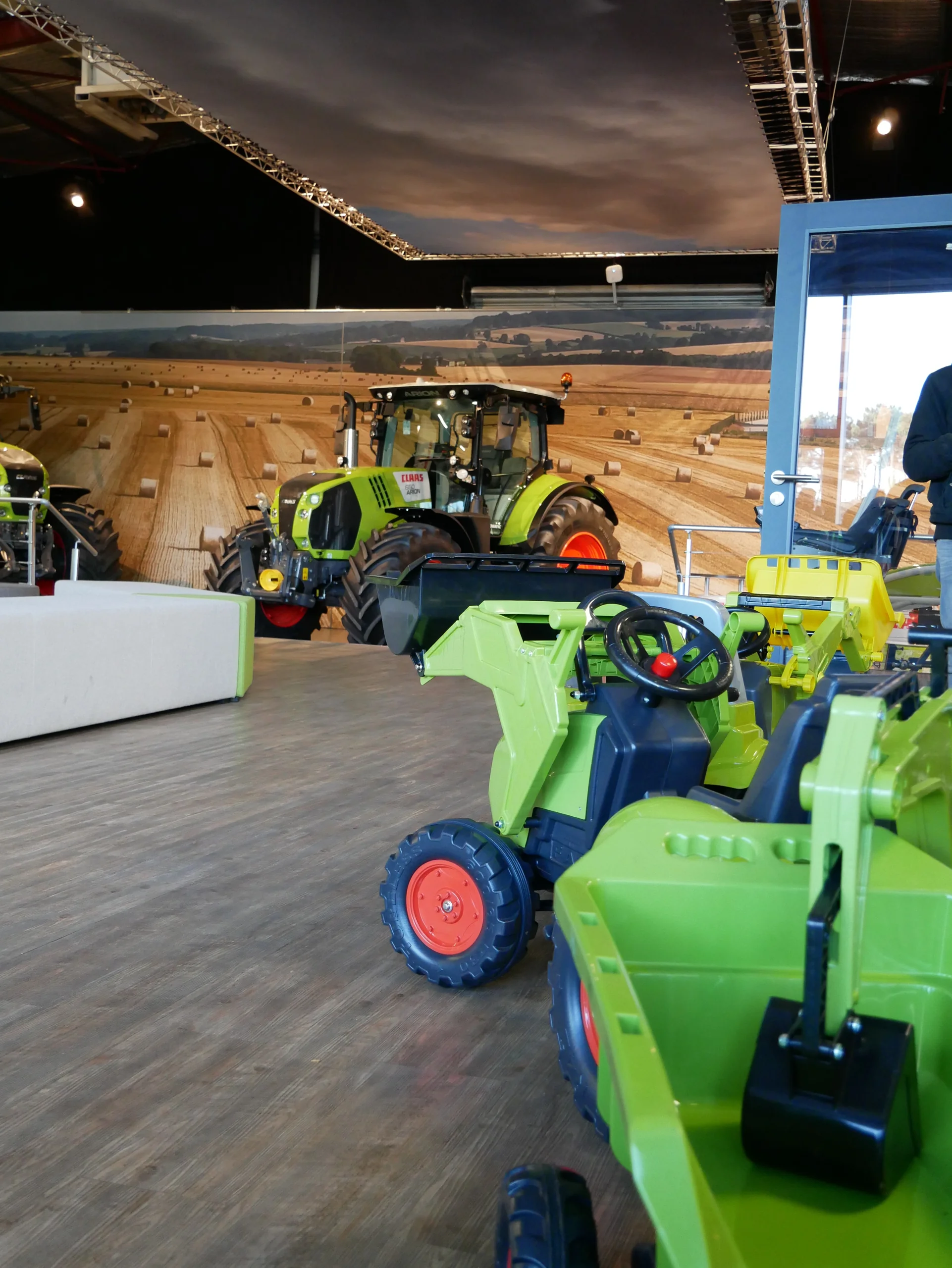
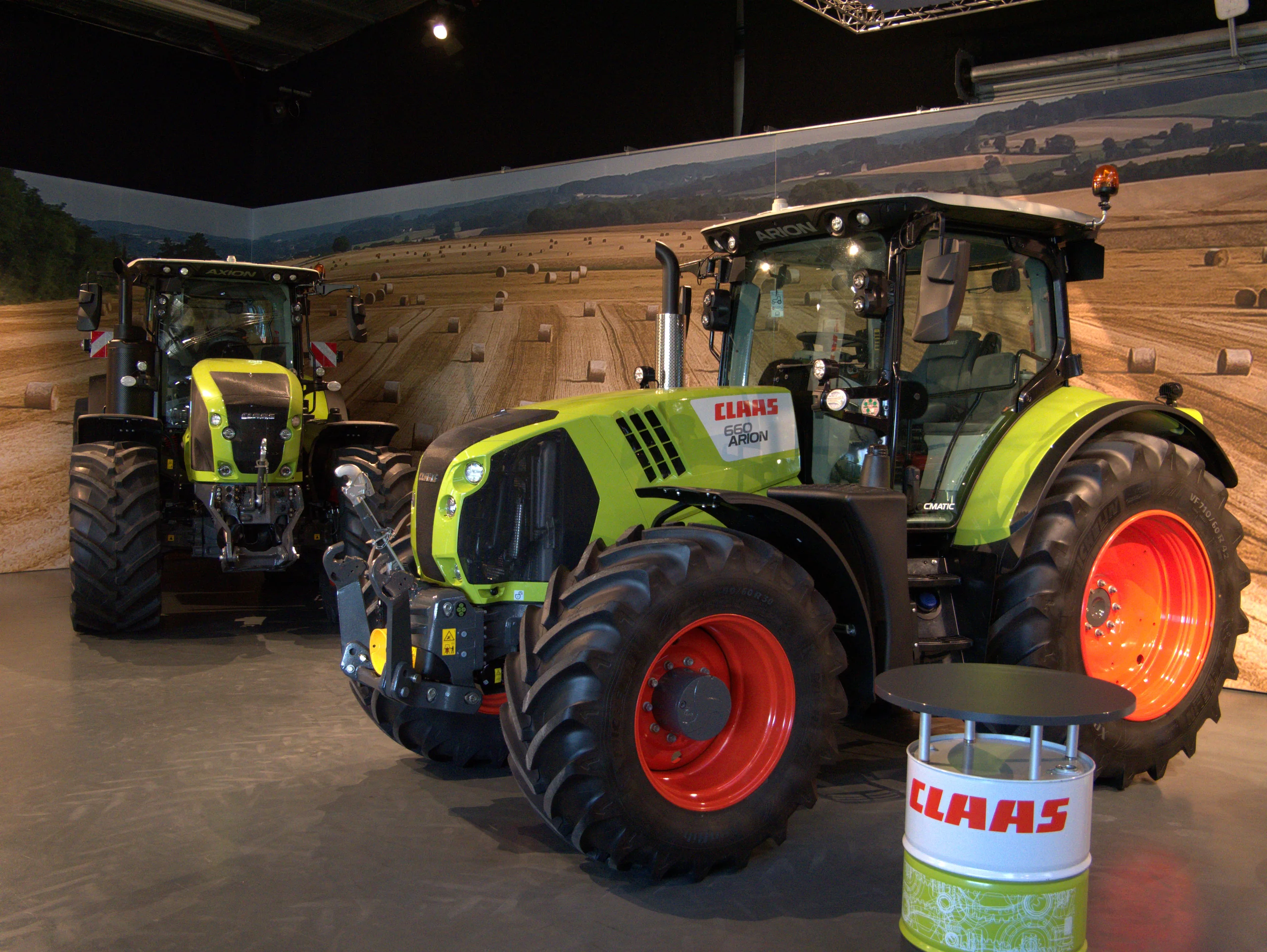
CLAAS is one of the world’s leading manufacturers of agricultural machinery. At its plant in Le Mans (France), it produces tractors that are distributed to markets around the world. The growing number of manufacturing configurations and variants required greater precision in assembly operations, as well as faster training processes for production line operators.
What challenge was CLAAS facing?
On an assembly line, quality depends on each operator installing the right part, in the right place and at the right time. However, as the number of models and configurations increases, so do the complexity of the process and the risk of errors during assembly.
That was the challenge at CLAAS’s plant in Le Mans. Rising production and the growing variety of tractors meant that operators had to work with more references and components, making them harder to identify and increasing the risk of fitting the wrong part. For a manufacturer whose tractors are distributed to markets around the world, maintaining a consistent level of quality in every unit was especially important.
In addition to reducing these errors, the company sought to speed up the training of new operators and make it easier for them to adapt to an increasingly complex production line, where every new team member had to learn a growing number of references and variants. The goal was to maintain assembly quality from the very start, improve productivity and strengthen the traceability of the components installed in each tractor.
How Pick to Light improved assembly accuracy at CLAAS
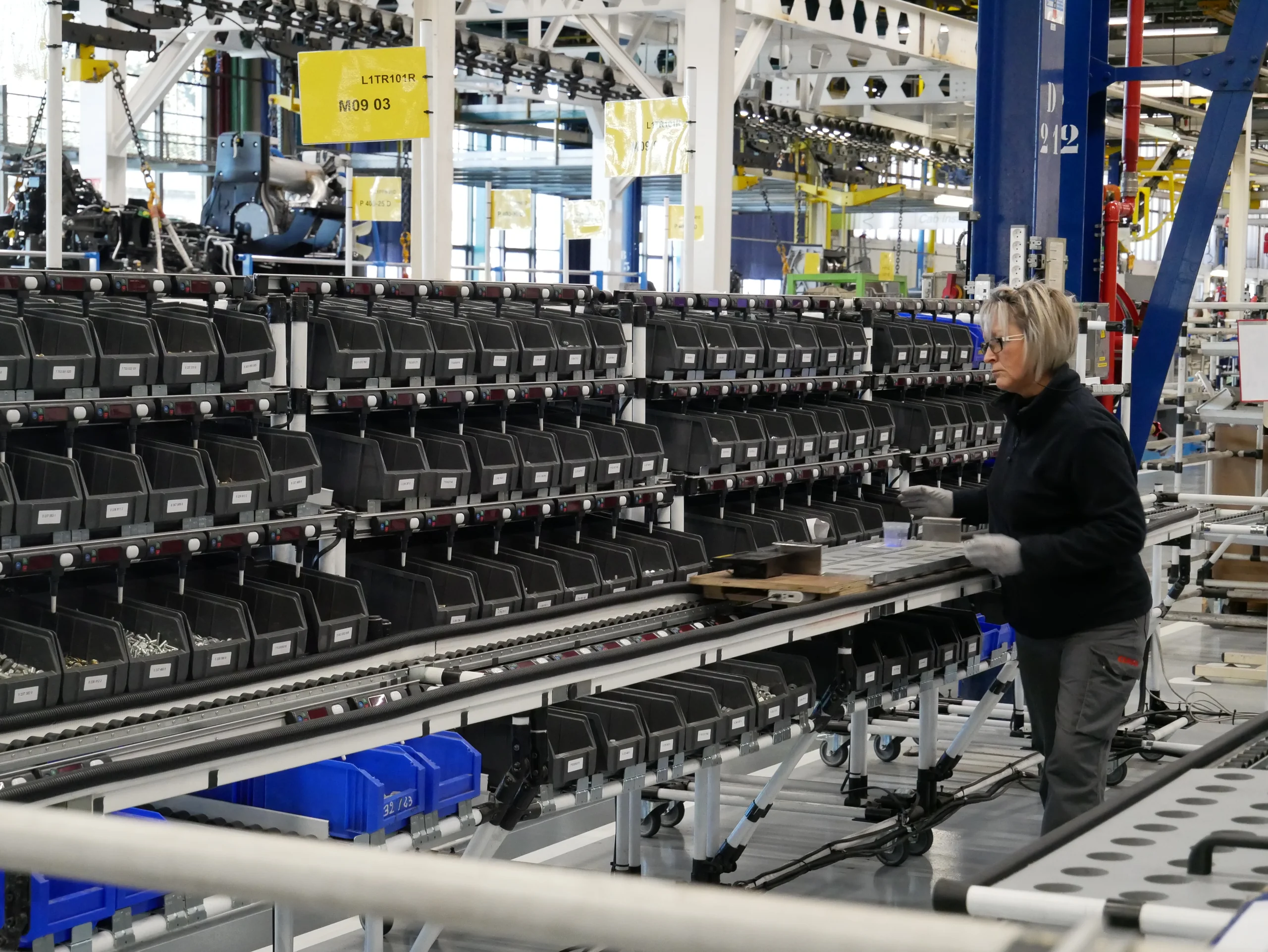
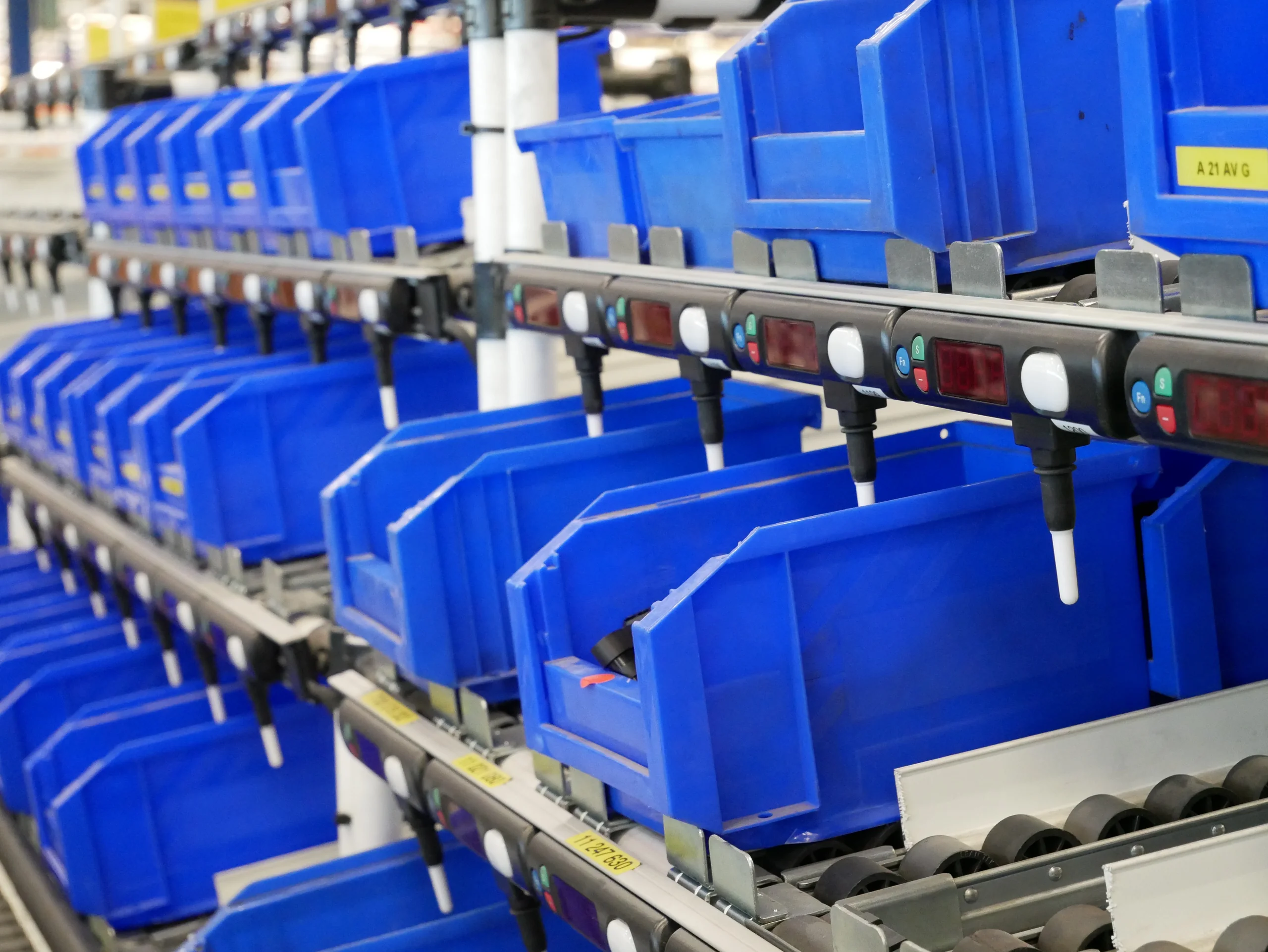
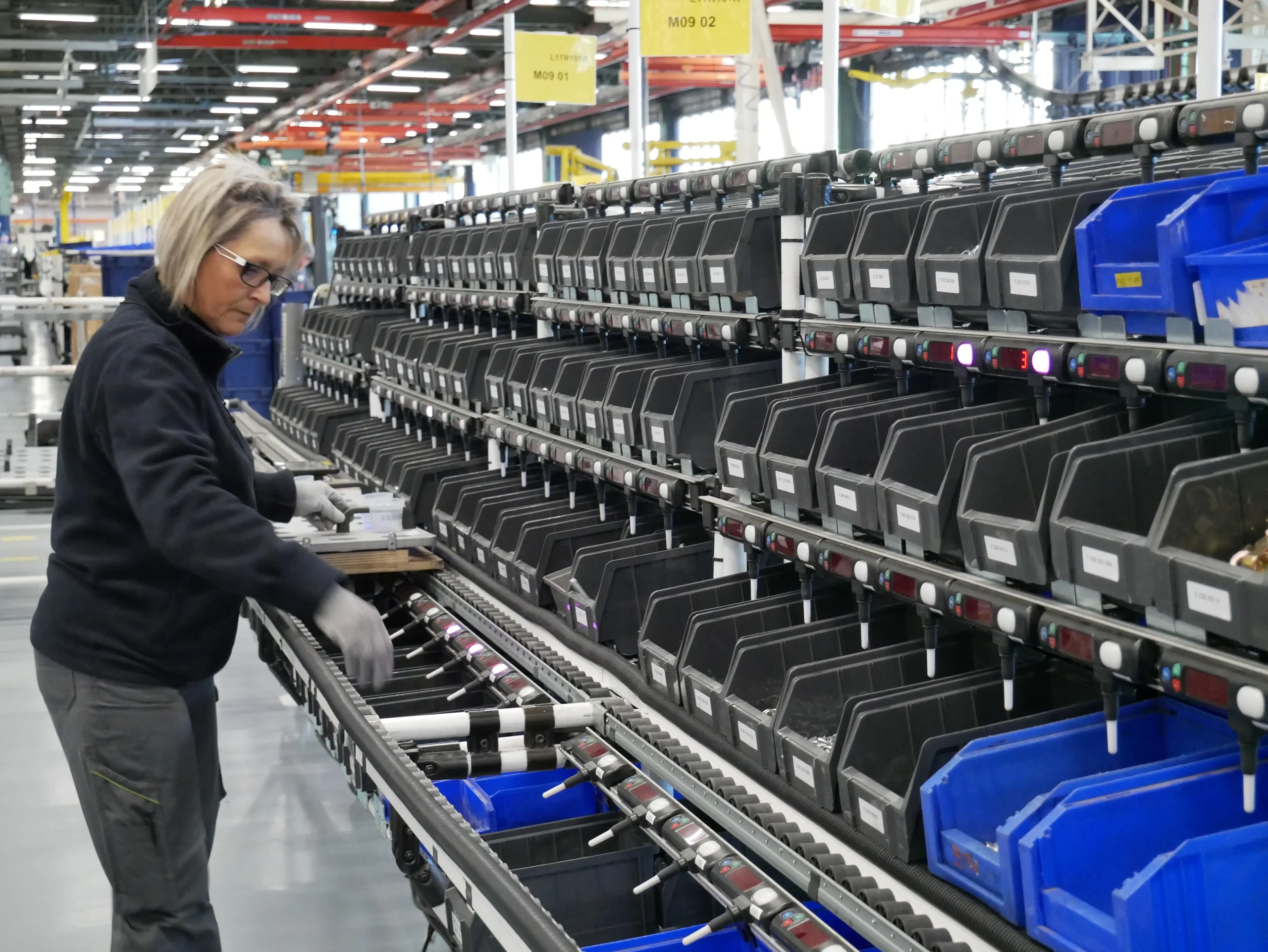
To meet this challenge, Pick To Light Systems implemented a Pick to Light solution at several workstations on the production line, visually guiding operators during assembly.
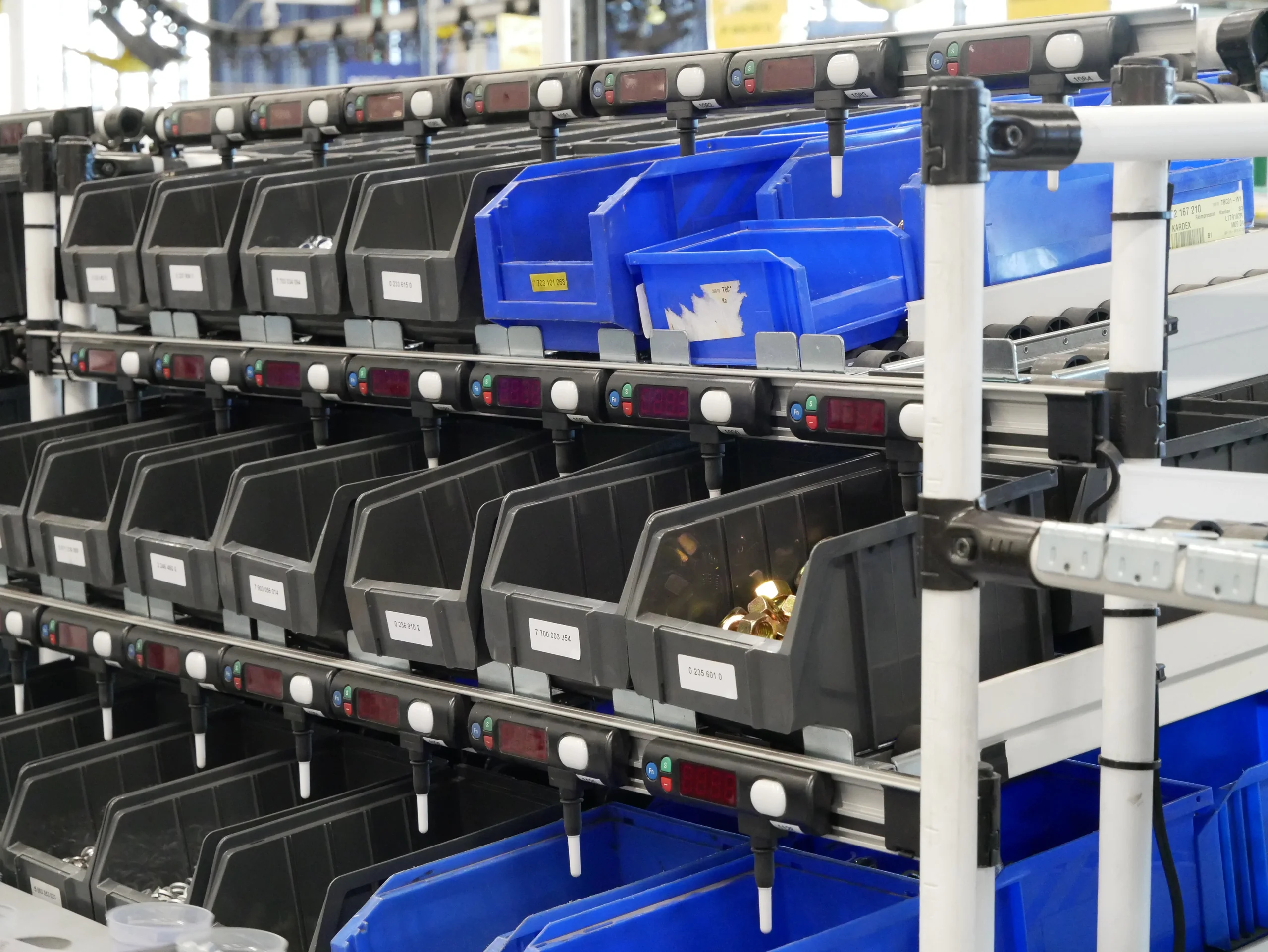
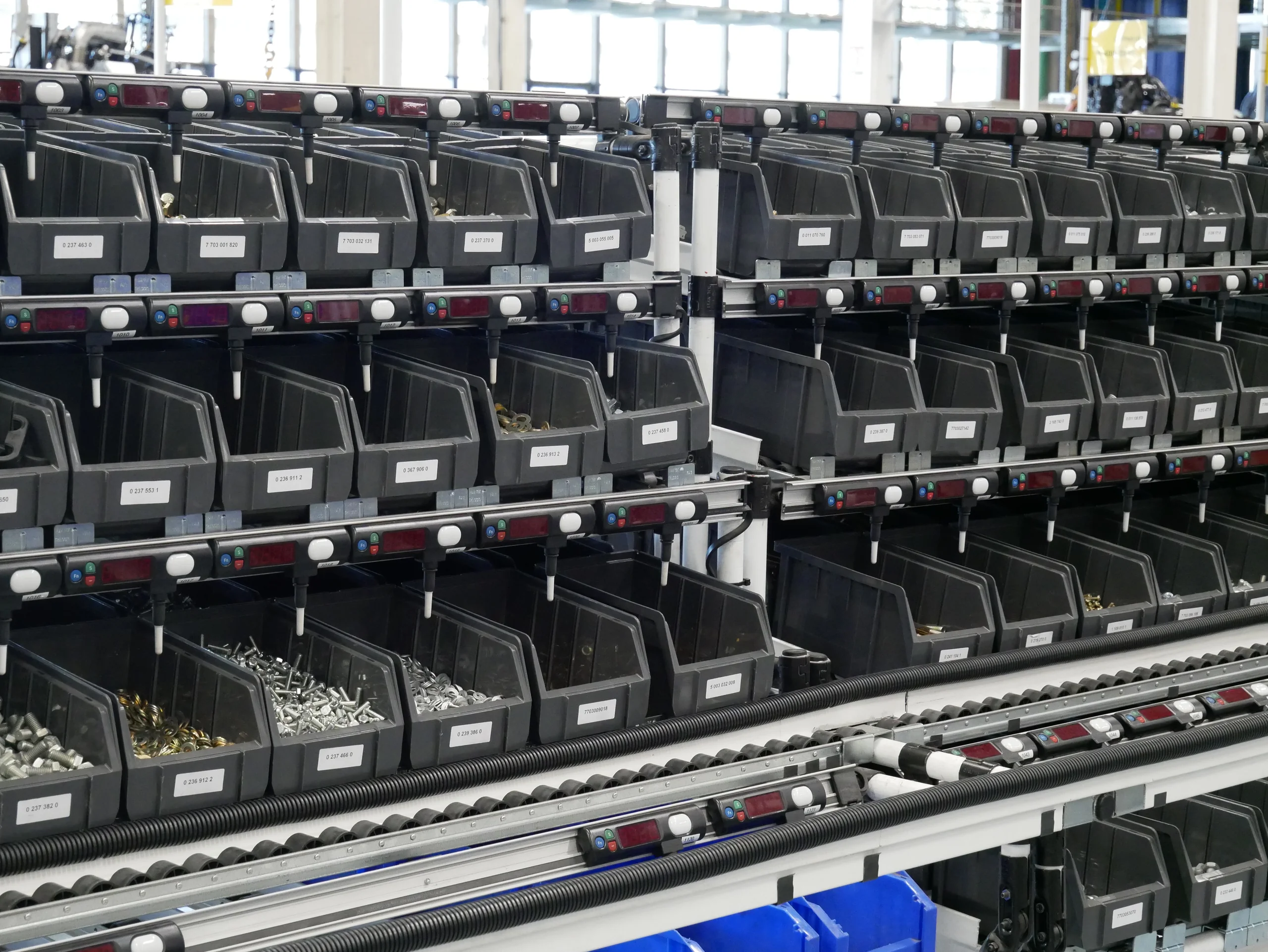
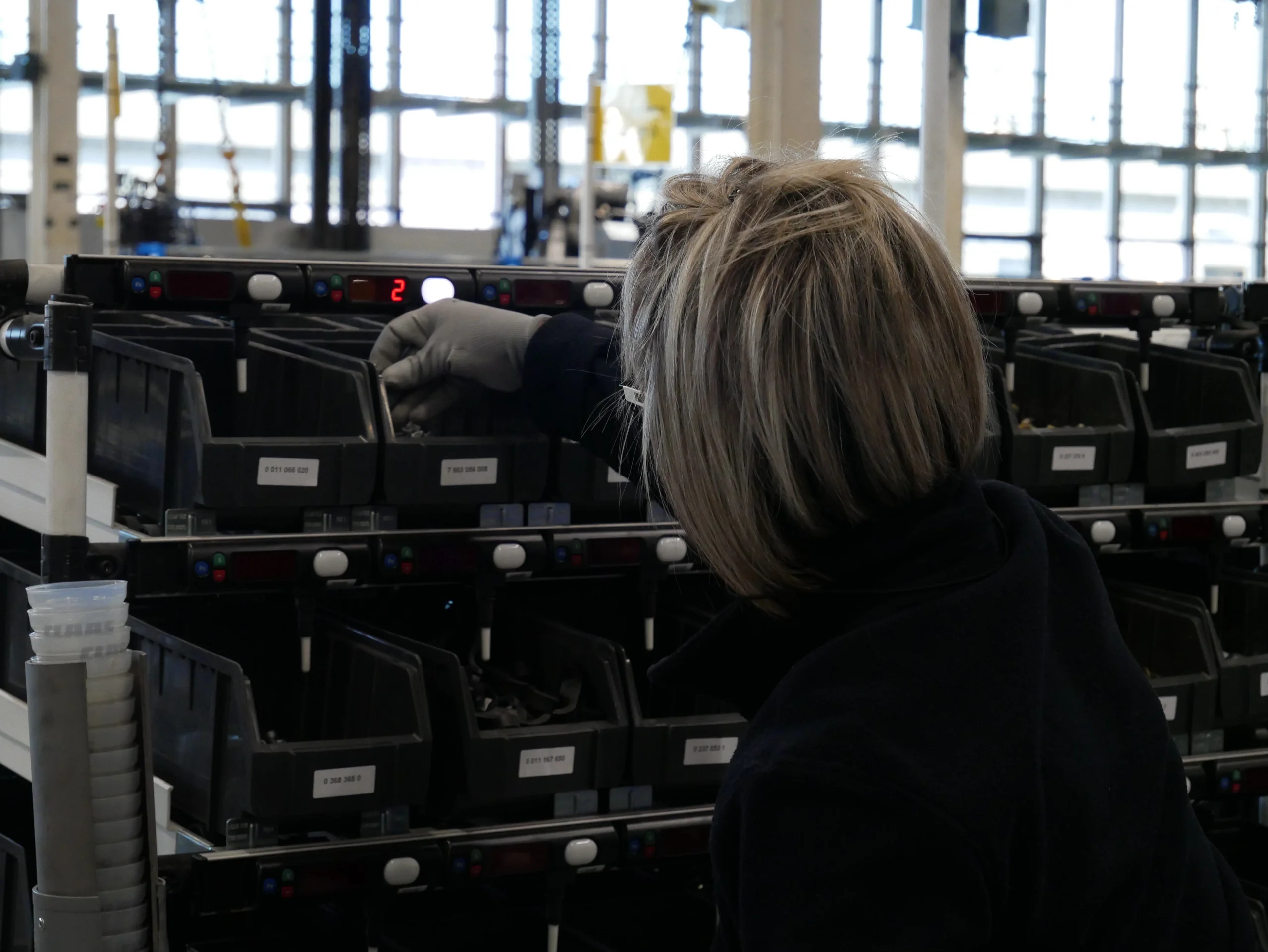
The light devices indicate the exact location of the component to be used in each operation, making it easier to identify references and reducing the time needed to find them. This way, every operator always knows where to take the part from, which reduces reliance on prior experience. This visual guidance also helps new operators learn the process faster and minimises the risk of errors in critical assembly operations.
The solution was also applied to the supply of screws and fasteners in the first section of the production line, a type of component that, because of its volume and similarity, can be hard to tell apart. This improved the traceability of the installed parts and strengthened control over the assembly process.
Thanks to this implementation, CLAAS achieved more efficient production, reduced component search time, sped up operator training and improved both assembly quality and the traceability of the assembled parts.
Tell us how you currently manage order picking or manufacturing processes and we will help you find the Pick To Light solution that best suits your company’s needs.

 EN